






Need Best Metal Window Wells for Basements in Louisville, CO?
Planning an Expert Metal Window Wells for Basements in Louisville project? Learn how to find the best metal window wells for basements near me in Louisville.
An unstable subterranean window opening threatens lower-level structural integrity and decreases overall property valuation. Below-grade wall configurations across Boulder County require heavy retaining frameworks to withstand lateral earth pressures, block intense moisture intrusion, and stop soil shifting. Upgrading your basement windows with galvanized steel assemblies, integrated escape steps, and clear safety shields provides exceptional protection. Local property owners require specialized mechanical extraction to swap out heavy semi-circle assemblies safely without breaking existing exterior foundation seals. Securing an Expert Metal Window Wells for Basements in Louisville allows residential investors to finish basement safety modernizations efficiently while following strict municipal building guidelines. Window well guardian supplies high-strength subsurface safety systems built for long-term load endurance throughout the northern Denver metropolitan region. Our technical field installation crews manage every stage of deep soil clearing, direct steel anchoring, and lower drainage aggregate placement to maintain a dry basement interior space.
Why Front Range Property Owners Require Steel Egress Upgrades
Residential configurations along the Colorado urban corridor require specific exterior fixtures that cope with intensive subsurface movements. Light wells situated around the Main Street business corridor face extreme physical stress from expansive bentonite clay soils after heavy spring snowmelt. Have you observed mud stains collecting against your lower window frames or visible distortion along your corrugated steel liner lately? These changes signal failing attachment hardware, compressed drainage gravel, or advanced structural rust along the outer safety panel.
Leaving structural earth containment changes uncorrected allows seasonal groundwater to pool inside the opening and trickle past window seals. Persistent water transmission stains interior basement framing plates, starting expensive structural rot conditions inside hidden wall spaces. Narrow or collapsing safety spaces also create dangerous escape blockages for household residents who need immediate exits during an unexpected home fire.
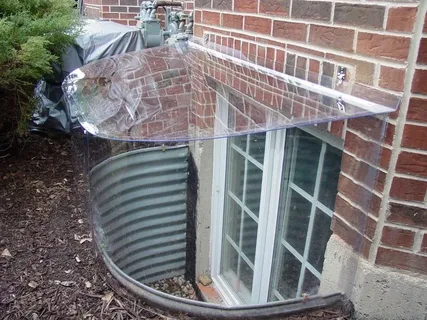
Modern thick-gauge galvanized steel systems resist soil movement pressures while bouncing ambient daylight deep into lower living spaces. Opting for zinc-coated corrugated panels avoids the cracking and rotting vulnerabilities common with thin plastic setups or raw wood framing buried in damp ground. These exterior additions improve the overall outside appearance of your yard while guarding your basement concrete from direct contact with wet soil.
Efficient gravel wash management prevents sudden lower-level floor flooding during fast summer cloudbursts that saturate the local lawn areas. Integrated vertical drains linked straight to perimeter footing weep tiles guide water safely away from vulnerable frame joinery. Following these technical construction steps safeguards your lower level renovation investments while enhancing the safety value of your permanent residential home.
Subsurface Material Options and Local Environmental Fit
Choosing a specific wall style depends on your deep foundation measurements, surrounding yard slopes, and building safety escape space limits. Older residential properties near the South Boulder Road area frequently feature basic lightweight tin sheets pinned directly to earth walls with simple rebar stakes. Upgraded heavy steel installations offer a strong option for deep lower levels, providing corrugated strength patterns that do not cave under intense freeze cycles.
Galvanized steel window wells deliver a resilient body that ignores moisture contact, freezing winter weather, and direct weed trimmer impacts. Premium heavy metal configurations preserve their original shape over several decades, though they need precise grade calculations during early excavation setups. The following compressed data matrix highlights the operational performance attributes of common regional below-grade window retention options:
Property owners find reliable property security updates by researching the Best metal window wells for basements near me in Louisville.
| Material Choice | Installation Staging | Relative Cost | Expected Lifespan | Primary Maintenance Plan |
| Galvanized Steel | Wall Anchor Bracket | Standard | 25 – 30 Years | Debris clearing checks |
| Fiberglass Panel | Multi-Bolt Flange Rim | High | 35 – 45 Years | Exterior spray wash |
| Treated Timber | Deadman Tie Interlock | Standard | 15 – 20 Years | Sealer brush recoat |
| Pre-Cast Concrete | Heavy Machine Crane | Premium | 50+ Years | Joint caulk review |
The Step-by-Step Excavation and Installation Process
Replacing a below-grade window containment system demands strict soil management and the skills of specialized crews rather than standard yard adjustments. Professional field crews utilize compact hydraulic excavators, laser transit levels, and heavy pneumatic drilling machinery to clear out deep earth pockets cleanly. Coordinating with experienced remodeling teams ensures your light opening update fits manufacturer specifications to keep product performance ratings intact.
The field crew starts by mapping underground utility lines and removing surface landscaping features down to bare topsoil. Operators excavate the old, rusting retention box using hand shovels near the house wall to avoid damaging original window framing materials. Technicians scrape the exposed concrete surface clean, patching small foundation imperfections with high-strength hydraulic cement mixtures. According to safety statistics from the National Association of Home Builders (2024), catching hidden foundation wall fissures during initial earth clearing prevents interior water penetration in over 58% of residential basement updates.
Installers secure the new steel shell using high-tensile anchor fasteners driven straight through the pre-drilled mounting flanges into your poured concrete walls. They apply heavy layers of industrial polyurethane sealant along every vertical concrete junction line to establish a completely water-tight boundary edge. Workers distribute clean washed river stone to assemble a deep drainage field expanding eight inches below the inside window sill track.
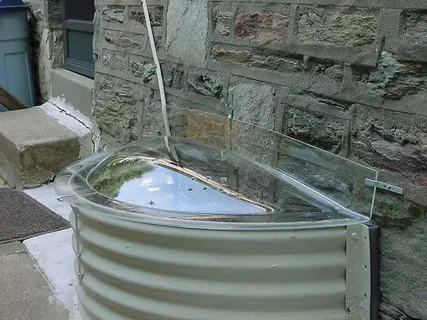
The final phase involves fixing vertical metal steps, mounting clear polycarbonate safety shields, and backfilling external dirt zones. Workers select specific rounded river stones that facilitate fast water migration down toward the main foundation drainage infrastructure. They test water drainage speeds using a high-pressure line for several minutes to confirm zero water accumulation inside the updated metal enclosure.
Financial Variables and Egress Codes in Louisville
Altering a basement exit layout involves distinct financial components based on opening dimensions, dirt haul volumes, and utility paths. Simple single-panel structural updates or clear safety cover additions fit easily into modest home maintenance budgets. Changing main utility positions, cutting deep concrete foundation openings, or reinforcing structural load-bearing components requires substantial construction resources. A complex deep-tier window opening near the Harper Lake neighborhood requires precise technical oversight to handle large soil volumes safely.
Municipal building regulations govern how home repair crews adjust structural home egress points and lower living spaces. The City of Louisville Building Division strictly enforces regional guidelines regarding minimum clear horizontal projections and vertical exit ladder steps. Code rules mandate a minimum horizontal clearance space of nine square feet and a maximum ladder rung distance of 18 inches. Property owners must confirm their contractors secure active building permits before modifying structural foundation concrete or changing window well shapes.
Regional environmental offices establish strict guidelines for subsurface drainage discharge to avoid overloading local public sewer networks. Sustainable drainage designs approved by the United States Environmental Protection Agency (2025) control surface water collection rates to help stabilize natural local groundwater levels. Contractors must put down durable stabilization fabrics under gravel layers to stop fine silt from clogging municipal stormwater systems.
Property access limitations and changing seasonal weather patterns alter final labor durations on suburban real estate assets. Confined side yards require manual dirt transport using specialized slim wheelbarrows, which increases total daily labor hours. Frozen winter soil conditions require commercial thermal blankets to perform safe digging work without breaking nearby concrete walkways. Experienced project estimators evaluate these unique local conditions beforehand to provide transparent, fixed service quotes before field work begins.
Evaluating Local Subsurface Egress Professionals
Selecting an experienced construction crew requires checking active corporate credentials rather than choosing cheap online classified listings. Complex subsurface remodeling mixes heavy earth handling, precise foundation anchoring, and life-safety building code compliance within compact outdoor workspaces. Homeowners must verify that an excavation company maintains an active regional contractor license with local municipal authorities. Comprehensive liability insurance protects your property equity if unexpected service pipe damage occurs during the mechanical digging phase.
Search for companies that maintain direct accounts with specialized metal manufacturing plants to guarantee top material quality. Certified installation professionals complete ongoing regulatory training regarding local safety paths, emergency dimensions, and load-rated security covers. These qualifications mean your field crew handles extreme lateral earth pressures that standard yard workers or general handymen do not understand.
A contractor who works exclusively on subsurface modifications in the northern Denver area — like Window well guardian — will have handled the local permit process, know which materials hold up in high-alkalinity soils, and carry the trade-specific insurance that general contractors often skip. Local companies like Window well guardian focus specifically on escape system upgrades for Louisville area residents, which means they understand the local conditions, permit process, and material performance in this climate. Regional crews maintain strong relationships with building inspectors to pass necessary structural reviews without scheduling delays.
Request local customer feedback or examine active project galleries from completed jobs in nearby neighborhood zip codes. Speaking with past clients reveals critical details regarding a team’s site cleaning habits, arrival consistency, and general pricing clarity. Professional business groups supply clear written contracts detailing exact material thickness ratings, safety ladder details, and building permit costs openly. This transparent approach allows you to direct your home improvements safely by selecting Expert Metal Window Wells for Basements in Louisville for your next basement upgrade.
Conclusion
Building a safe subterranean window opening requires accurate concrete anchoring, reliable gravel drainage, and absolute compliance with local safety codes. Recognizing material limits, regional municipal codes, and correct assembly steps helps property owners secure their home investments. Partnering with a specialized local team ensures your below-grade safety features work perfectly while stopping hidden water damage over time. If you need an installation crew that understands Front Range soil conditions, Window well guardian provides thorough site evaluations to keep your lower level safe, dry, and bright.
FAQs
Who offers the most reliable services for Expert Metal Window Wells for Basements in Louisville?
Licensed excavation and structural remodeling firms handle complete plan modifications, permit filings, and professional steel enclosure anchoring for regional homes. Finding Expert Metal Window Wells for Basements in Louisville brings detailed site work, regulatory compliance, and robust structural warranties to secure your property safely.
What is the normal cost for the best metal window wells for basements near me in Louisville?
Basic shallow wall updates utilizing standard galvanized steel panels generally run between $1,900 and $3,400 depending on exact sizes. Extensive deep excavations involving heavy gauge custom metal frames, safety ladder links, and impact covers often range above $6,800.
Are official building permits required for replacing below-grade steel wells in Louisville?
Swapping a damaged panel with an identical size without altering the concrete foundation wall does not require a formal permit. Expanding the structural masonry window opening size or cutting into poured concrete basement walls requires a reviewed permit before starting.
How do heavy galvanized metal window wells hold up against regional winter conditions?
Thick zinc-coated steel assemblies remain highly stable through extreme frost cycles because their corrugated shape deflects expanding frozen ground. Applying an external protective gravel pack keeps wet dirt away from connection fastners to prevent early oxidation damage.
How can an individual homeowner confirm their lower level egress well meets regional safety codes?
Every individual homeowner can measure the vertical drop of their light opening to ensure any cavity deeper than 44 inches features a code-compliant metal ladder. The exit steps must clear at least 12 inches in width and sit within 6 inches of the wall.
