







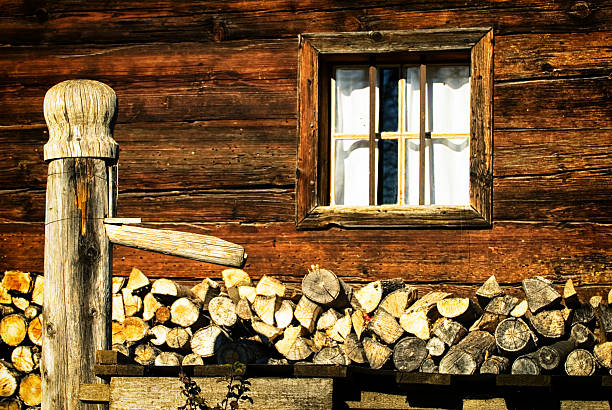
Why Wooden Window Wells Matter for Basement Protection Today
Basement windows need protection from surrounding soil and outdoor conditions. A well creates space around an opening while supporting access, inspection, drainage, and organization. Window Well Guardian provides window well solutions.
Choosing a window well requires attention to dimensions, grade, drainage, access, landscaping, and appearance. Homeowners seeking wooden basement window wells in Broomfield, CO and custom wooden window well installation in Erie, CO can plan around those needs.
Creating Space Around Basement Windows
A basement window may sit below or close to ground level, allowing soil and landscaping to surround the opening. A well creates a defined area between the window and nearby ground. This space can help preserve access and make the window easier to inspect and maintain.
Wooden construction can also complement homes that use natural exterior materials. The installation still needs to account for drainage, window operation, surrounding grade, and any access requirements associated with the opening.
Protecting the Opening
A defined well can help keep soil and landscape materials away from the window while preserving useful clearance.
- The well creates space around the window.
- Sizing supports access and inspection.
- Clear space makes routine maintenance easier.
Supporting Access
Some basement windows provide emergency egress, so the surrounding area may need additional clearance.
- Egress windows require appropriate exterior space.
- Well dimensions should match the window opening.
- Access areas should remain free of unnecessary obstacles.
Choosing Wood for Exterior Appearance
Material choice affects how a window well looks as well as how it fits into the surrounding property. Wood can provide a warmer appearance than some manufactured alternatives and can coordinate with decks, fences, siding details, and landscaping.
Because window wells are exposed to outdoor conditions, homeowners should consider moisture, soil contact, sunlight, irrigation, and seasonal weather. Appropriate maintenance can help preserve the material’s appearance.
Matching the Home
A window well can be incorporated into the home’s exterior instead of appearing visually separate.
- Wood can complement existing exterior features.
- Natural tones can work with surrounding landscaping.
- The well can support a cohesive exterior design.
Planning for Maintenance
Outdoor wood requires regular observation and appropriate care.
- Surfaces can be checked for moisture-related deterioration.
- Exterior finishes can be maintained as needed.
- Soil and vegetation should not remain against the structure.
Improving Window Well Drainage
Water management is an important consideration for any below-grade window. Rain and runoff can collect in low areas if surrounding grades do not direct water appropriately. A well should therefore be considered together with the property’s drainage conditions.
Homeowners can watch the area after heavy rain for standing water or saturated soil. Gutters, downspouts, grading, and drainage components can all influence how water reaches and leaves the window well.
Managing Surface Water
Surface water should have a practical path away from vulnerable basement openings.
- Grading can direct water away from the window.
- Downspouts should discharge water appropriately.
- Landscaping should not channel runoff toward the well.
Keeping Wells Clear
Debris can interfere with drainage and reduce usable space.
- Leaves can be removed regularly.
- Mulch should not block drainage areas.
- Vegetation should be kept away from the opening.
Planning Wooden Window Wells in Broomfield
Homes in Broomfield, CO can have different basement layouts, soil conditions, exterior finishes, and grades. A window well should therefore be planned around the actual property instead of using the same configuration for every installation.
Wooden basement window wells in Broomfield, CO can provide a natural appearance while creating defined space around below-grade windows. Window dimensions, drainage, landscaping, and access should be reviewed before installation.
Reviewing Site Conditions
The surrounding property can affect installation requirements.
- Existing landscaping can be evaluated.
- Soil levels can be reviewed around the opening.
- Drainage features can be considered before work begins.
Coordinating With the Window
The well and window should function as one system.
- Window dimensions can guide well sizing.
- Clearance can be considered during planning.
- Exterior access should remain practical.
Supporting Custom Installation in Erie
Every property has its own architectural details and exterior conditions. Custom wooden window well installation in Erie, CO can be planned around window dimensions, basement construction, landscaping, drainage, and the desired exterior appearance.
A custom approach may also be useful for sloped yards, narrow side areas, retaining features, or unusual basement window sizes. Careful measurements can help determine how the well should fit within the available space.
Adapting to Property Dimensions
Accurate measurements help the finished well fit the site.
- Window dimensions can be confirmed first.
- Surrounding clearance can be reviewed.
- The well can be positioned according to site conditions.
Coordinating Landscaping
Landscaping should support the well without restricting its function.
- Plants can be kept clear of the opening.
- Mulch should not cover drainage areas.
- Walkways can be planned around the well.
Considering Basement Egress
Some basement windows serve as emergency exits. When a window is intended for egress, the well must provide appropriate space for people to reach and use the opening. Local building requirements should be checked before installation because requirements can vary by property and jurisdiction.
The well should provide practical access rather than simply surrounding the window visually. Keeping the area clear is important for continued use.
Maintaining Clear Access
Stored items and landscaping can interfere with egress space.
- The well should remain free of unnecessary objects.
- Access areas should be inspected regularly.
- Plants should not block the required opening.
Checking Local Requirements
Egress requirements depend on the specific project and location.
- Local standards should be reviewed before construction.
- Window and well dimensions should be considered together.
- Required access features should be incorporated into planning.
Maintaining Window Wells Over Time
A window well requires routine attention after installation. Soil can shift, vegetation can grow, and debris can accumulate. Seasonal inspections can help homeowners identify drainage, access, or material concerns before they become larger maintenance issues.
Checking the well after heavy rainfall and during seasonal yard cleanup can provide useful information about its condition. Keeping the surrounding area clear also makes inspection easier.
Inspecting After Rain
Rain can reveal drainage conditions that are not obvious during dry weather.
- Standing water can indicate a drainage concern.
- Saturated soil can be monitored.
- Debris can be removed before it affects water movement.
Managing Seasonal Debris
Outdoor debris can be collected throughout the year.
- Leaves can be cleared before they build up.
- Grass and plants can be trimmed away.
- Soil buildup can be removed when necessary.
Integrating Wells With Exterior Design
A window well can be considered as part of the home’s exterior design. Its material, placement, and surrounding landscape can influence how the basement window area looks from outside. Wood can create a visual connection with other natural exterior elements.
Decorative features should never prevent drainage or access. The surrounding area needs to remain practical for inspection and maintenance.
Coordinating Materials
Wood can work with several existing exterior features.
- Wood can complement decks and fences.
- Natural finishes can coordinate with landscaping.
- Exterior details can create visual continuity.
Preserving Clearance
Functional space should remain around the well.
- Decorative materials should not block the opening.
- Plants should allow maintenance access.
- Drainage areas should remain unobstructed.
Protecting Basement Windows
A well can help create separation between the basement window and surrounding ground. This can make the opening easier to access and inspect while helping keep soil and landscape materials from immediately surrounding the window.
Window protection also depends on the condition of the window itself, surrounding drainage, and the foundation area. A well is one component of a larger basement exterior system.
Supporting Window Visibility
Keeping the area open can make it easier to notice changes around the window.
- The window can be inspected more easily.
- Debris can be identified early.
- Moisture concerns can receive attention sooner.
Maintaining the Surrounding Area
The space around the well should remain organized.
- Soil should be kept from accumulating inside.
- Plants should be controlled near the structure.
- Drainage paths should remain accessible.
Choosing a Window Well Solution
Selecting a window well requires consideration of the property, window, soil, drainage, access, and appearance. Homeowners should evaluate these factors together rather than choosing a product based only on appearance.
Window Well Guardian provides window well solutions intended to address practical basement window needs. A well-planned installation can create defined space while supporting access, drainage, inspection, and exterior appearance.
Planning Before Installation
Early planning can identify conditions that affect the project.
- Window measurements can be confirmed.
- Site conditions can be reviewed.
- Drainage and access can be considered together.
Thinking About Long-Term Use
A well should remain practical after installation.
- Drainage areas should stay accessible.
- Maintenance needs should be considered.
- Landscaping should allow routine inspection.
Conclusion
Best Wooden Window Wells Service can provide a practical and visually appealing way to create defined space around basement windows. Their performance depends on more than material selection. Window dimensions, site grading, drainage, access, landscaping, maintenance, and applicable egress requirements all deserve attention during planning. A carefully designed well can support a below-grade window while contributing to a more organized exterior.
Homeowners considering wooden basement window wells in Broomfield, CO can review window dimensions, surrounding grade, drainage, and landscaping before installation. In Erie, CO, custom wooden window well installation can provide an opportunity to coordinate the well with the home’s exterior and basement requirements. Window Well Guardian can help property owners approach window well projects with attention to practical use, appearance, drainage, and long-term maintenance.
FAQs
What are Wooden Window Wells used for?
Wooden Window Wells create defined space around below-grade basement windows, helping provide clearance from surrounding soil while supporting access and drainage.
Can a wooden window well support an egress window?
It can be part of an egress system when the complete installation meets applicable local requirements for clearance and access. Requirements should be confirmed for the property.
How should a window well be maintained?
Remove leaves, soil, branches, mulch, and other debris regularly. Inspect the well after heavy rain and keep drainage and access areas clear.
Can wooden window wells complement landscaping?
Yes. Wood can provide a natural appearance that works with landscaping, decks, fences, and other exterior features when access and drainage remain unobstructed.
How do I choose the right window well?
Consider window dimensions, required clearance, property grade, drainage, basement access, surrounding landscaping, material maintenance, and applicable local requirements.
