







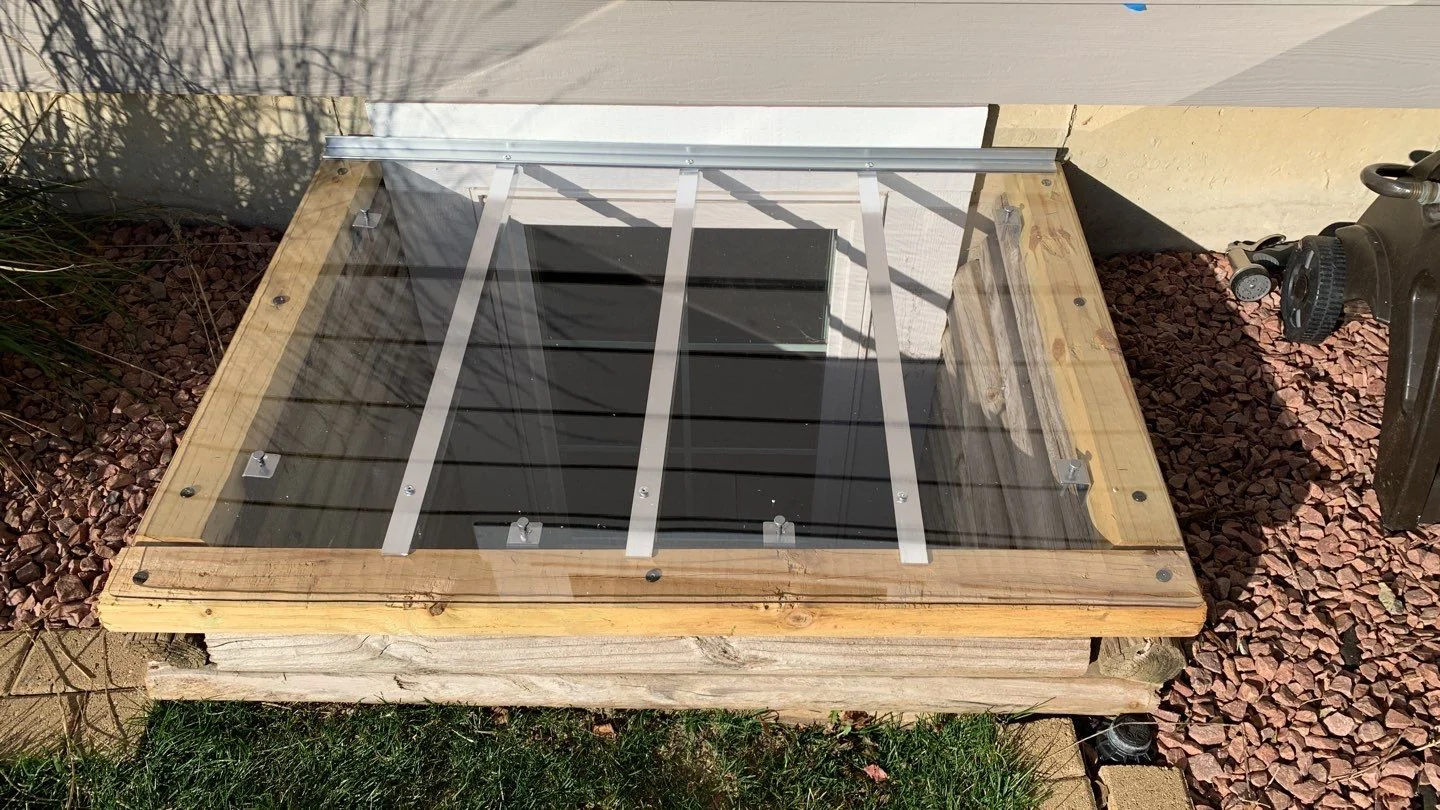
Best DIY Wooden Window Wells in Superior, CO
Wooden window wells can give basement exteriors a more natural, finished look while helping keep soil away from below-grade windows. For homeowners exploring DIY wooden window wells in Superior, CO, successful installation depends on much more than choosing lumber and assembling a frame. Drainage conditions, soil movement, moisture exposure, window clearance, fastening methods, and local egress needs should all be considered before construction begins. Window Well Guardian helps homeowners assess existing basement window areas and determine whether wood or another window well material is better suited to the property.
A properly planned wooden window well should remain stable while allowing water to drain away from the basement opening. Pressure-treated lumber, secure connections, a prepared drainage base, and accurate measurements can all influence how well the system performs over time. Superior’s seasonal moisture and temperature changes also make material protection especially important. Homeowners taking a DIY approach should evaluate the surrounding grade and window location carefully so the finished well supports drainage, access, and dependable long-term protection.
Why Homeowners Choose Wooden Window Wells
Wood is often selected because it provides a more decorative appearance than traditional metal window wells. Properly designed timber walls can complement landscaping, decks, retaining structures, and other exterior features around a home.
Wooden window wells can also be customized to fit different basement window dimensions. Homeowners may adjust the width, depth, shape, and finish depending on the available space.
However, wood remains exposed to soil and moisture. Choosing pressure-treated lumber and providing effective drainage can help reduce premature deterioration.
Homeowners considering wooden basement window wells in Superior should also determine whether the opening serves as an emergency egress window before beginning construction.
Planning a DIY Wooden Window Well
Good preparation is one of the most important parts of a successful project. Before digging or purchasing materials, measure the basement window carefully and evaluate the surrounding grade.
A window well should provide adequate clearance around the window so it can open properly. The excavation must also provide enough space for the well structure, drainage material, and secure attachment near the foundation.
Important planning considerations include:
- Basement window dimensions
- Required window clearance
- Soil conditions
- Drainage around the foundation
- Finished window well depth
- Lumber thickness
- Fasteners and anchors
- Existing landscaping
- Egress requirements
Incorrect measurements can create a well that is too narrow, too shallow, or difficult to drain.
Choosing Wood for a Window Well
Standard untreated lumber is generally not suitable for direct soil exposure because moisture can cause rapid deterioration. Pressure-treated lumber is commonly used for outdoor structures that contact soil.
Homeowners may use heavy landscape timbers or appropriately treated dimensional lumber depending on the design.
All hardware should also be suitable for exterior use. Corrosion-resistant screws, structural fasteners, anchors, and brackets can provide better durability in damp environments.
Even with treated materials, homeowners should inspect wooden window wells regularly for splitting, movement, decay, loose connections, or moisture damage.
Drainage Is Essential
Drainage is one of the most important considerations when building DIY wooden window wells in Superior, CO.
Water collecting inside a window well can place unnecessary pressure against the basement window and surrounding foundation. Standing water can also accelerate deterioration of wooden components.
A properly prepared base commonly includes clean drainage stone that allows water to move away from the window opening. Existing window well drains should remain clear and functional where present.
The surrounding landscape should also slope appropriately so surface water does not continuously flow toward the window well.
Leaves, soil, snow, and debris should be removed regularly because they can block drainage and increase moisture retention.
Building the Wooden Window Well
After planning and excavation, the wooden structure can be assembled according to the required dimensions. The exact construction method depends on the depth, soil conditions, foundation, and chosen materials.
The sidewalls should remain stable against surrounding soil pressure. Structural members must be securely connected so the well does not shift as soil settles or becomes saturated.
The finished structure should provide adequate clearance from the basement window while keeping soil away from the frame.
Before backfilling, homeowners should confirm that the well is level, stable, properly positioned, and supported.
For deeper window wells or installations serving emergency escape windows, professional evaluation may be the safer choice.
Egress Window Considerations
Not every basement window serves the same purpose. Some basement bedroom windows may need to meet applicable emergency escape and rescue requirements.
A decorative DIY window well should never reduce the usable opening of an egress window or make it difficult for someone to climb out.
Deep wells may also require additional features depending on applicable building requirements.
Because egress standards and permit requirements can depend on the property and scope of work, homeowners should confirm current local requirements before constructing or replacing an egress window well.
Professional window well installation in Brighton can be especially valuable when safety, drainage, foundation conditions, or egress compliance are involved.
Wooden vs. Metal Window Wells
Wooden window wells offer a distinctive appearance, but they are not always the best long-term option for every property.
Galvanized steel window wells are commonly chosen because they resist soil pressure and require relatively little maintenance. Wood may require more frequent inspections because it remains vulnerable to prolonged moisture, soil contact, and natural deterioration.
The better choice depends on appearance preferences, installation depth, drainage conditions, maintenance expectations, and budget.
A homeowner focused primarily on long-term durability may prefer a professionally installed metal system, while someone prioritizing a natural landscape design may consider properly treated wood.
When to Call a Professional
DIY work can be practical for smaller decorative projects, but certain window wells require additional expertise.
Consider professional assistance if you notice:
- Water entering the basement
- Bowed or collapsing well walls
- Poor drainage
- Foundation cracks
- Deep excavation requirements
- Egress window concerns
- Rotten existing wood
- Significant soil movement
- Difficult access around the foundation
Window Well Guardian can assess existing window wells and help homeowners determine whether repair, replacement, or a different material would provide a better long-term solution.
Protect Your Basement Window
Building a wooden window well requires careful attention to structure, drainage, moisture exposure, and window clearance. Using treated materials and preparing a stable drainage base can improve performance, but regular maintenance remains important.
If you’re researching DIY wooden window wells in Superior, CO but are uncertain about drainage, structural stability, or egress requirements, contact Window Well Guardian for professional guidance. Choosing the right window well system can help protect your basement opening while improving the appearance and functionality of the exterior space.
FAQs
Can I build my own wooden window well?
Yes, homeowners can build some wooden window wells themselves when the installation is relatively simple. Accurate measurements, treated lumber, structural fastening, drainage, and proper window clearance are essential.
What type of wood should I use for a window well?
Pressure-treated lumber designed for ground contact is generally more appropriate than untreated wood. Exterior-rated structural fasteners should also be used to reduce corrosion and premature failure.
How do I prevent water from collecting in a wooden window well?
Proper grading, drainage stone, functional drains, and regular debris removal help control water. The surrounding landscape should also direct surface runoff away from the foundation.
How long do wooden window wells last?
Service life varies depending on lumber quality, drainage, soil moisture, construction quality, and maintenance. Because wood naturally deteriorates over time, regular inspections are important.
Are wooden window wells suitable for egress windows?
They can be used in some situations, but the finished well must maintain appropriate clearance and should not interfere with emergency escape. Homeowners should verify applicable local egress requirements before construction.
