







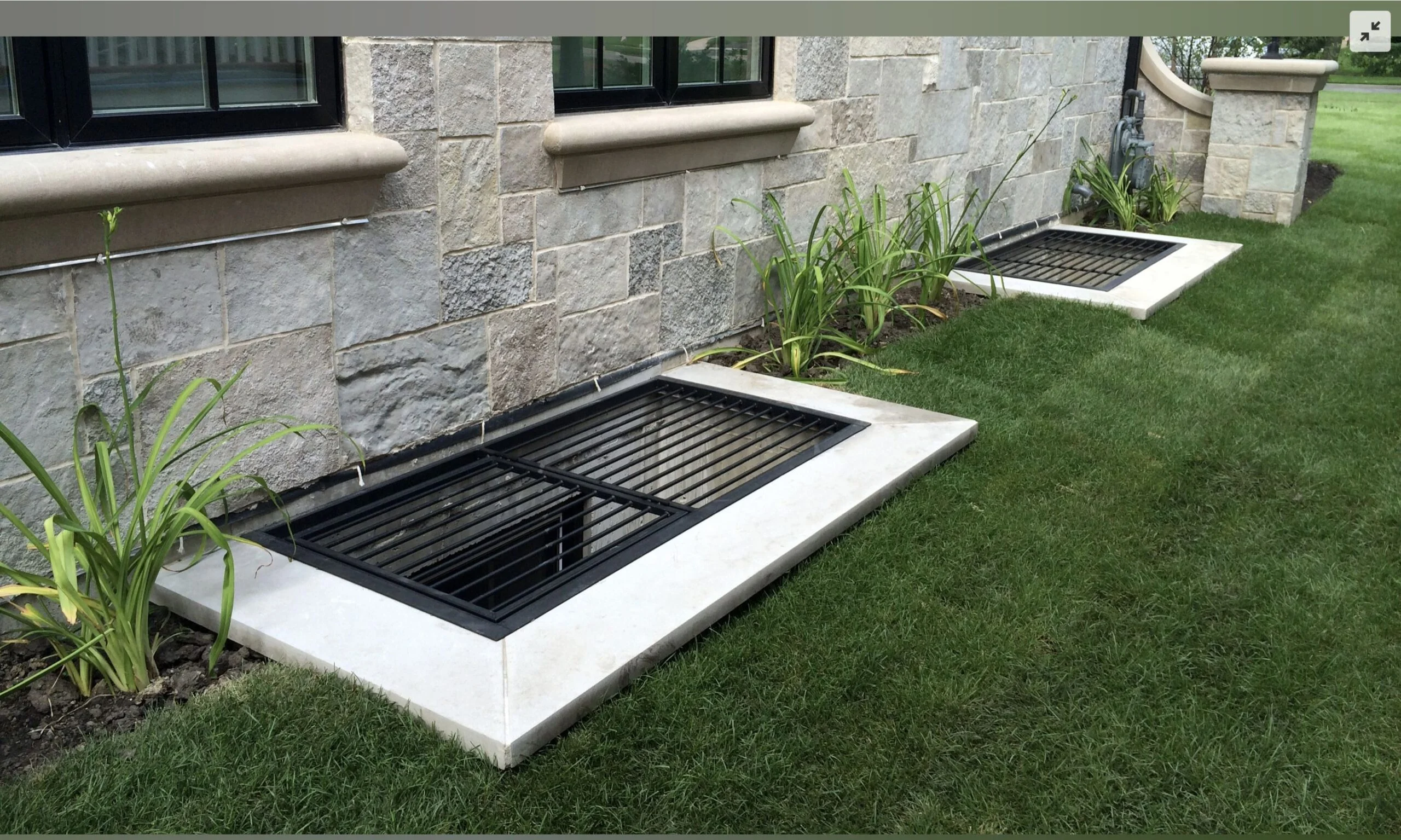
How to Install a Metal Window Well in Superior, CO
A metal window well does more than keep soil away from a basement window. Correct installation helps maintain window clearance, supports surrounding soil, improves drainage, and protects below-grade openings from debris and moisture. Homeowners researching how to install a metal window well in Superior, CO should pay close attention to measurements, excavation depth, foundation attachment, drainage stone, and final grading rather than simply placing a steel well around the window.
Window Well Guardian installs and replaces custom metal, fiberglass, and wooden window wells throughout Colorado’s Front Range. Its metal systems are planned around window dimensions, surrounding grade, available space, drainage conditions, and egress requirements when applicable.
Why Choose a Metal Window Well?
Metal window wells are commonly selected because steel provides strong support against the surrounding soil.
A properly sized metal well creates an open area around a below-grade basement window while preventing soil from pushing directly against the window opening. Window Well Guardian notes that steel wells can provide dependable soil retention, maintain their shape, and work with window well covers and egress applications.
Important benefits include:
- Strong soil retention
- Durable construction
- Clear basement window access
- Compatibility with covers
- Multiple sizes and configurations
- Support for egress applications
- Cleaner exterior appearance
Galvanized or otherwise protected metal is generally preferred for outdoor installations because window wells remain exposed to moisture, soil, snow, and changing weather.
Step 1: Measure the Basement Window
Accurate measurements should come before excavation.
Measure the width of the basement window and determine how far the well needs to project outward from the foundation. The finished well should leave enough clearance for the window to open properly.
Also consider how far below grade the window sits.
A well that is too narrow can interfere with window operation, while one that is too shallow may allow surrounding soil or runoff to enter the opening.
For an egress window, the required opening and escape clearance also need to be considered before choosing the well size. Window Well Guardian specifically evaluates window dimensions, installation depth, available space, and egress needs when planning metal window wells.
Step 2: Mark and Excavate the Installation Area
Once the well dimensions are established, mark the excavation area around the basement window.
The opening needs enough room for:
- The metal well
- Foundation attachment
- Drainage material
- Working clearance
- Backfill around the outside
Excavate carefully around the foundation.
The soil should be removed deeply enough to establish the correct finished height and provide room for drainage stone at the bottom.
Do not disturb more soil than necessary around the foundation. Deep excavations, difficult access, unstable soil, or existing foundation problems are situations where professional installation may be safer.
Step 3: Prepare the Drainage Base
Drainage is one of the most important parts of metal window well installation in Superior, CO.
A window well can be securely attached and still cause problems if water regularly collects at the bottom.
Window Well Guardian identifies standing water and poor drainage among common warning signs of failing window well systems. The company recommends planning drainage as part of installation rather than treating it as an afterthought.
Clean drainage stone is commonly placed beneath the well to help water move downward and away from the basement opening.
Where an existing window well drain is present, confirm that it remains clear and functional.
The surrounding landscape should also direct surface runoff away from the foundation.
Step 4: Position the Metal Well
Place the metal well against the foundation and check its position before fastening anything.
The well should:
- Center properly around the window
- Provide enough window clearance
- Sit at the planned depth
- Remain level and upright
- Extend appropriately above surrounding grade
- Leave space for drainage material
Check the window operation before final attachment.
This is particularly important with casement-style or egress windows because the window needs sufficient room to open without contacting the well.
Window Well Guardian emphasizes that correct sizing, depth, placement, and drainage all contribute to the performance of a metal window well.
Step 5: Secure the Well to the Foundation
After confirming alignment, the well needs to be secured according to the installation requirements and foundation conditions.
Metal wells are typically fastened through their mounting flanges so they remain stable against surrounding soil pressure.
Accurate placement matters before drilling or anchoring.
An incorrectly positioned well can create problems with window clearance, drainage, or backfilling. Foundation drilling also requires care to avoid unnecessary damage.
Professional metal window well installers in Superior can evaluate the foundation material and choose an appropriate attachment method for the specific installation.
Step 6: Add Drainage Stone Inside the Well
Once the well is secure, place drainage stone at the bottom around the window opening.
The drainage layer helps prevent soil from filling the bottom of the well and allows water to move away more effectively.
Avoid piling soil directly against the basement window.
The finished drainage surface should remain below the window opening so water and debris are less likely to reach the frame.
After heavy rain or snowmelt, homeowners should periodically check the well for standing water. Window Well Guardian also recommends keeping leaves, soil, and debris from blocking drainage.
Step 7: Backfill Around the Exterior
Backfilling needs to be done carefully because the surrounding soil helps support the well.
Replace soil gradually around the outside while keeping the metal well aligned with the foundation.
Avoid pushing large amounts of soil against one side at once, which may move or distort the well.
The finished ground should direct water away from the house rather than toward the basement opening.
This step is especially important because good window well drainage depends not only on what happens inside the well but also on how surface water behaves around it.
Step 8: Check Window Clearance and Stability
Before considering the installation complete, perform a final inspection.
Confirm that:
- The well is firmly attached
- The metal has not shifted
- The basement window opens properly
- Drainage stone remains below the window
- Soil is stable around the exterior
- Surface grading directs water away
- No large gaps remain beside the foundation
If the well serves an emergency escape window, also confirm that the installation does not interfere with required access or operation.
Local requirements can vary, so homeowners should verify current egress and permit requirements for their specific project.
Should You Add a Window Well Cover?
A cover can provide additional protection after the metal well is installed.
Window Well Guardian notes that covers can help reduce leaves, debris, snow, and accidental falls while still allowing natural light to enter the basement.
A cover should match the shape and dimensions of the well.
For an egress opening, it should not prevent occupants from escaping through the window. Any cover used on an emergency escape opening should be selected with accessibility in mind.
Maintaining a Metal Window Well
After installation, routine inspections can help identify problems early.
Remove leaves and accumulated debris, especially after storms. Check the bottom of the well after heavy rain and melting snow for standing water.
Inspect mounting points and metal walls for movement, damage, or corrosion.
A well that begins separating from the foundation, bowing inward, or repeatedly filling with water should be professionally evaluated.
Routine maintenance helps protect both the window well and the basement opening it surrounds.
Conclusion
Understanding how to install a best metal window well in Brighton starts with accurate measurements and careful planning. Proper excavation, drainage preparation, secure foundation attachment, controlled backfilling, and final grading all contribute to a stable system that protects the basement window.
Window Well Guardian provides professional metal window well installation and replacement solutions for Colorado homeowners. Whether you are replacing an old steel well or planning a new basement window system, professional evaluation can help ensure the well is properly sized, securely installed, and designed around the property’s drainage and access needs.
FAQs
How deep should a metal window well be?
The required depth depends on the basement window position, surrounding grade, drainage needs, and whether the opening serves as an egress window.
What should go at the bottom of a window well?
Clean drainage stone is commonly used to support drainage and keep soil away from the basement window opening.
Does a metal window well need to be attached to the foundation?
Yes. Proper attachment helps keep the well stable against surrounding soil pressure and prevents it from shifting away from the foundation.
Can a metal window well be used around an egress window?
Yes. Metal wells can be used for egress applications when properly sized and installed to provide the required access and clearance.
How can I prevent water from filling my window well?
Maintain drainage stone, keep drains and the well free of debris, and ensure surrounding grading directs surface water away from the foundation.
