







Why Metal Window Wells Installation in Frederick Is One of the Smartest Investments You Can Make for Your Basement
When it comes to your basement windows, most Frederick homeowners don’t realize that they need maintenance until water has already gotten into their house. Installing metal window wells is one of those things that quietly works for your home and can make a difference for a seasoned homeowner who lives in a place such as Frederick, MD, where rain and ground moisture occurs seasonally. We have experienced with our own eyes how a properly designed Window well Guardian system can help prevent basement flooding and foundation problems while reducing expenses.
What Are Metal Window Wells and Why Frederick’s Climate Demand
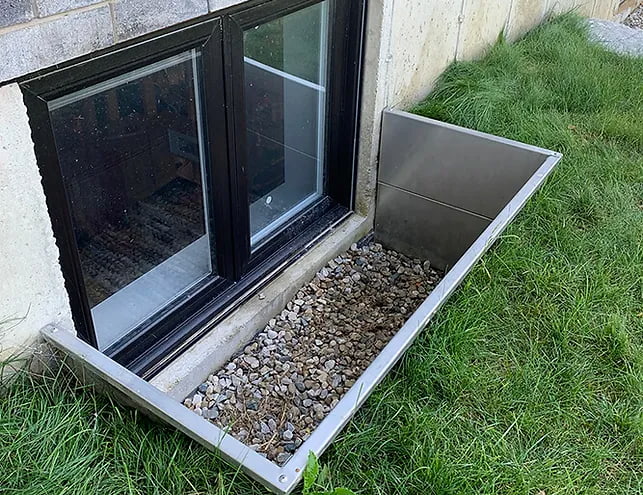
A metal window well is a curved or rectangular barrier typically made from galvanized steel or corrugated steel installed around a basement window that sits below grade. Its job is to hold back the surrounding soil, allow natural light into the basement, provide emergency egress access, and direct rainwater away from the foundation.
Frederick, Maryland sits in a transitional climate zone. It gets significant rainfall through spring and fall, heavy snow in winter, and humid summers that leave soil saturated for weeks at a time. That soil pressure and moisture accumulation around your basement walls is exactly what metal window wells are designed to combat.
Without a properly installed window well, rainwater drainage becomes a serious problem. Water pools against your foundation, finds the path of least resistance, and works its way into your basement through window frames, mortar joints, and hairline cracks. That’s how basement flooding prevention starts failing not with one dramatic event, but with slow, repeated water intrusion that weakens the foundation over time.
Galvanized window wells, in particular, are built for this kind of environment. The galvanization process coats the steel with a layer of zinc that resists rust and corrosion even after years of direct soil and moisture contact. Corrugated steel window well installation adds another layer of structural durability, giving the well enough rigidity to handle the lateral pressure of backfilled soil without bending or shifting.
The Real Difference Between Cheap Window Wells and Professional Metal Window Well
Walk into any big-box hardware store and you’ll find plastic window well inserts that cost less than $50. They’re lightweight, easy to handle, and they crack within two or three winters in a climate like Frederick’s. Heavy-duty metal window wells are in a completely different category and the installation process reflects that.
Material Quality and Longevity
Steel window wells are rated for decades of use. A quality galvanized window well installation uses steel that’s been treated to resist not just surface rust but deep oxidation caused by ground contact. When a Metal Window Wells Installation in Frederick installer puts a steel window well in place, the material is selected based on the depth of the excavation, the soil type, and the moisture exposure the well will face. That’s a level of specificity plastic alternatives simply can’t offer.
Rust-resistant window wells made from galvanized or powder-coated steel also maintain their structural shape over time. Plastic wells bow, warp, and eventually fail under soil pressure. A corrugated steel window well installation holds its form regardless of freeze-thaw cycles, soil settlement, or hydrostatic pressure from a saturated yard.
The Excavation and Drainage Layer
Steel window wells are designed to last for many years. Quality galvanized window well installation should involve a steel that has been treated not only for surface rusting but deep oxidation from ground contact as well. A Window Well Guardian installer will choose which steel window well to install, depending on the depth of the excavation, the type of soil, and the amount of moisture exposure the well will receive. Plastic alternatives can’t offer that level of specificity.
Galvanized or powder coated window wells are also rust proof, and retain structural integrity over time. Soil pressure causes plastic wells to bow and warp and ultimately fail. A corrugated steel window well installation is resistant to the effects of freeze-thaw, soil settlement and hydrostatic pressure from a saturated yard.
Egress Window Wells and Basement Safety in Frederick Homes
Professional residential metal window well installation doesn’t start with dropping a metal frame against the foundation. It begins with excavation to the basement which involves carefully pulling soil around the window to the correct depth, so that the well will be at the right level from the window frame to the grade outside.
Once excavated, a gravel bottom is placed in the bottom of the well. One of the most important ones that is often missed with DIY window well projects. This layer of gravel just beneath the soil surface (usually 6-12 inches deep) will help to remove the water from the foundation wall and not accumulate at the base of the well. Many professional installations have a window well drainage pipe connected to the gravel bed and draining into a sump pump system or a perimeter drain system resulting in a complete exterior foundation drainage loop.
The metal egress window well becomes a part of a waterproofing strategy and not a product in itself. If your window well drainage system is in communication with the rest of your house’s drainage system, you’ve created actual, permanent foundation protection.
How Window Well Covers Protect Your Investment
Egress safety window installation is not just about comfort and convenience; in many instances, it is required by law. The International Residential Code provides for a minimum opening of basement egress windows, and Frederick County is very close to that minimum. If your basement is a finished living area, bedroom, or rental unit, you have to make sure that you have at least one window that is egress compliant in case of a fire or emergency which could allow your basement dwellers to get out.
The installation metal window wells services has two purposes: to provide a space around the outside of the window that will allow the window to open completely, and to keep soil from collapsing into the opening. A basement escape window without a well installed correctly is nothing more than a window filled with dirt in case of emergency and a violation of the building code.
Older basement windows do not comply with current egress codes and may come as a shock to many Frederick homeowners. The installation of a proper egress window system, including an increased window frame, full metal window well, and window well cover may require a permit, but can increase the resale value of the home. In Maryland, egress compliant basement bedrooms count as living space and can directly impact the value of your home.
What to Expect from a Professional Metal Window Well Installation in Frederick
If you’re hiring a local metal window well company in Frederick for the first time, understanding the process helps you ask the right questions and recognize quality work when you see it.
Site Assessment and Measurement
Every good installation starts with a thorough assessment of the existing window, the foundation wall condition, soil type, current drainage patterns, and any signs of existing foundation moisture control issues. Installers look for efflorescence on the foundation wall (white mineral deposits left by evaporating water), existing crack patterns, and the condition of any waterproof membrane or exterior coating already on the wall.
Excavation, Setting, and Backfill
The installer excavates to the proper depth, checks that the well will sit at the right height above the window sill, and positions the metal well against the foundation. The well is typically anchored to the foundation wall with masonry anchors or lag bolts, then backfilled with compacted gravel at the base. The surrounding soil is then restored to grade, sloped slightly away from the house to encourage surface water runoff away from the foundation.
Drainage Integration
In more comprehensive installations especially in areas of Frederick with poor natural drainage or high water tables the installer will connect the well’s drainage layer to a window well drainage pipe that ties into an existing or newly installed sump pump system. This step transforms the well from a simple soil barrier into an active component of the home’s rainwater drainage systems.
This level of integration is part of what separates residential waterproofing contractors who specialize in window wells from general contractors who view it as a simple add-on task.
Final Inspection and Cover Installation
After backfill and grading are complete, the cover is sized, anchored, and checked for proper clearance. The installer will test that the egress window opens fully and that the cover releases from the inside a critical safety check for emergency escape windows. A final walkthrough reviews the drainage grade, anchor points, and any touch-ups needed to the foundation wall or exterior landscaping.
Signs Your Current Window Wells Need Replacement or Repair
Not every Frederick homeowner is starting from scratch. Many homes have older wells, sometimes original galvanized units from the 1970s or 80s, sometimes plastic units installed by a previous owner that are failing quietly. Here’s how to recognize when window well replacement in Frederick is overdue.
Rusting or deteriorating metal is the most obvious sign. Surface rust on an older galvanized well doesn’t necessarily mean immediate failure, but deep pitting or sections where the metal has corroded through indicate structural compromise. A failing well can collapse inward under soil pressure, which creates immediate flooding and foundation damage risk.
Sediment buildup at the base of the well means drainage has stopped functioning. If the gravel bed is clogged with silt, clay, or organic debris, water has nowhere to go except against your foundation wall. You’ll often see this paired with water stains on the interior basement wall below the window, a clear sign of foundation leak prevention failure at that point.
Soil erosion around the well’s edges or gaps between the well and the foundation wall are also serious warning signs. These gaps allow water to funnel directly against the foundation rather than being redirected by the well’s drainage layer. Metal basement window well repair can sometimes address these issues with resealing and regrading, but in many cases full replacement is the more cost-effective long-term solution.
The Bottom Line on Metal Window Wells in Frederick
Investing in professional metal window wells installation is one of the most practical things a Frederick homeowner can do to protect their property’s foundation. It’s not glamorous work, and it’s not something you’ll notice every day but when a heavy spring storm rolls through and your basement stays dry while your neighbor is running a wet vac, you’ll understand exactly why it matters.
From galvanized window well installation and gravel backfill drainage to full egress window systems and sump pump integration, the right installation does more than hold dirt back from a window. It becomes a cornerstone of your home’s waterproofing strategy, protects your foundation for decades, and in many cases brings your basement up to code for safe occupancy.
If you’re in Frederick and considering this upgrade, work with a professional team that understands the local soil conditions, drainage patterns, and building codes. The difference between a job done right and one done cheap shows up every time it rains.
Conclusion
Frederick’s wet seasons and clay-heavy soil don’t give your basement much room for error. A professionally installed metal window well system with proper gravel backfill, drainage integration, and a quality cover is what stands between your foundation and recurring water damage. It’s not a complicated upgrade, but it has to be done right to deliver real, lasting protection.
At Window Well Guardian, we believe every basement deserves that level of care. If your current window wells are aging, poorly draining, or simply absent, don’t wait for the next heavy storm to find out what they’re really costing you. Invest in the right system now, and your foundation will thank you for decades to come.
Frequently Asked Questions
Why should I choose metal window wells over plastic ones?
Metal window wells especially galvanized or corrugated steel — are significantly more durable than plastic options. They resist cracking, warping, and soil pressure far better over time. In a climate like Frederick’s with freeze-thaw cycles and wet seasons, metal is simply the more reliable long-term investment.
How deep does a window well need to be?
The well should extend at least 6 to 8 inches below the window sill and 6 inches above the exterior grade. For egress window wells, depth requirements increase to allow the window to open fully and provide adequate clearance for emergency exit, often requiring 36 inches or more of interior height.
Do I need a permit for metal window well installation in Frederick?
In most cases, replacing an existing window well with a similar size doesn’t require a permit. However, installing a new egress window well especially one that involves cutting a larger opening typically does require a permit from Frederick County. Your installer should handle the permit process as part of the project.
What is gravel backfill and why does it matter?
Gravel backfill is a layer of coarse gravel placed at the base of the window well during installation. It creates a permeable drainage bed that pulls water away from the foundation rather than letting it pool. Without this layer, even a perfectly installed metal well can allow water to accumulate against your basement wall.
Can a window well connect to my sump pump system?
Yes, and in many Frederick homes with drainage challenges, this is the recommended approach. A window well drainage pipe can be routed from the gravel bed at the base of the well into your interior or exterior sump pump system, creating a fully integrated rainwater drainage solution.
